| Fit to be tied? A plan to avoid draws in the state tournament | ||
|
|
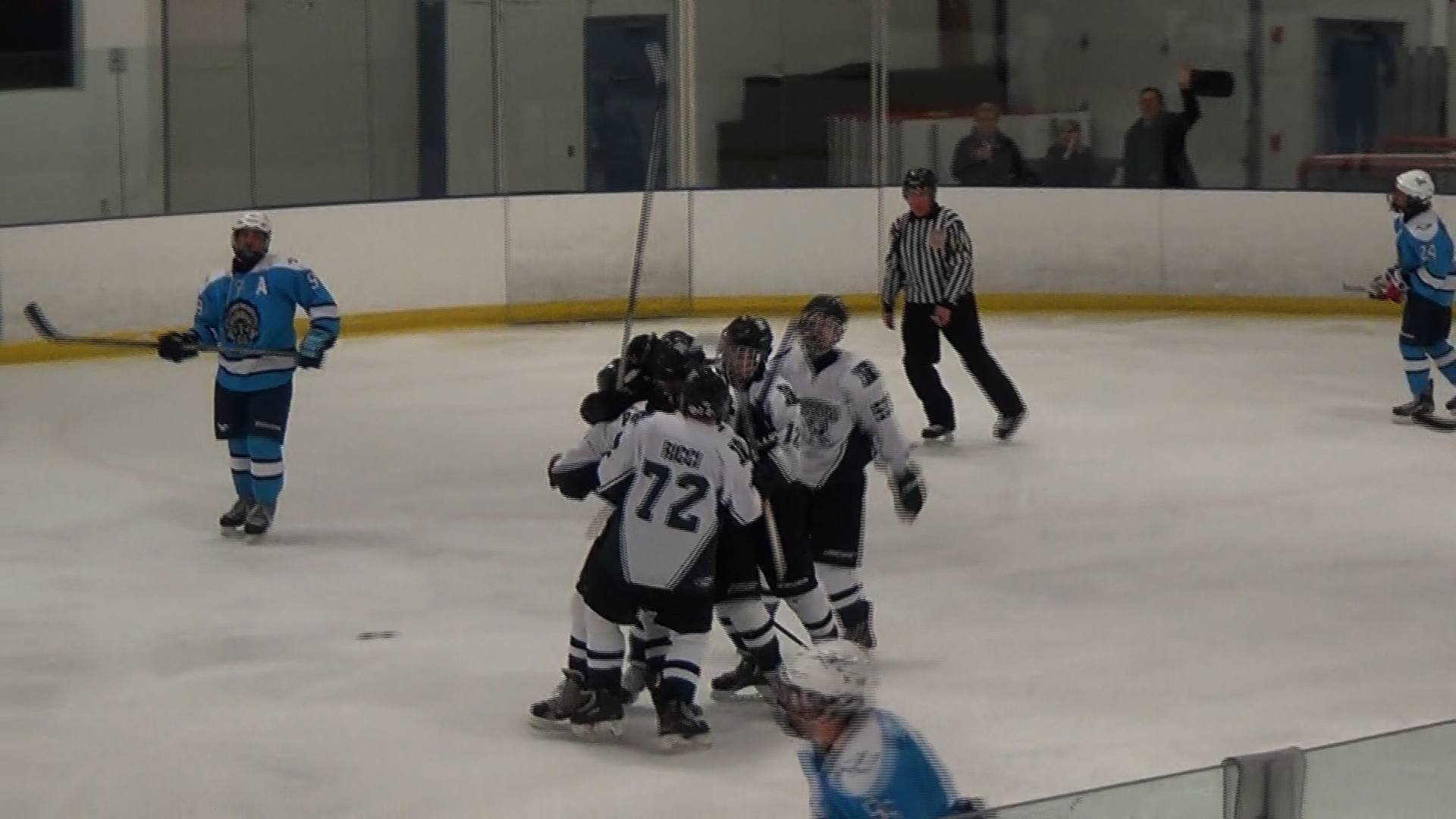
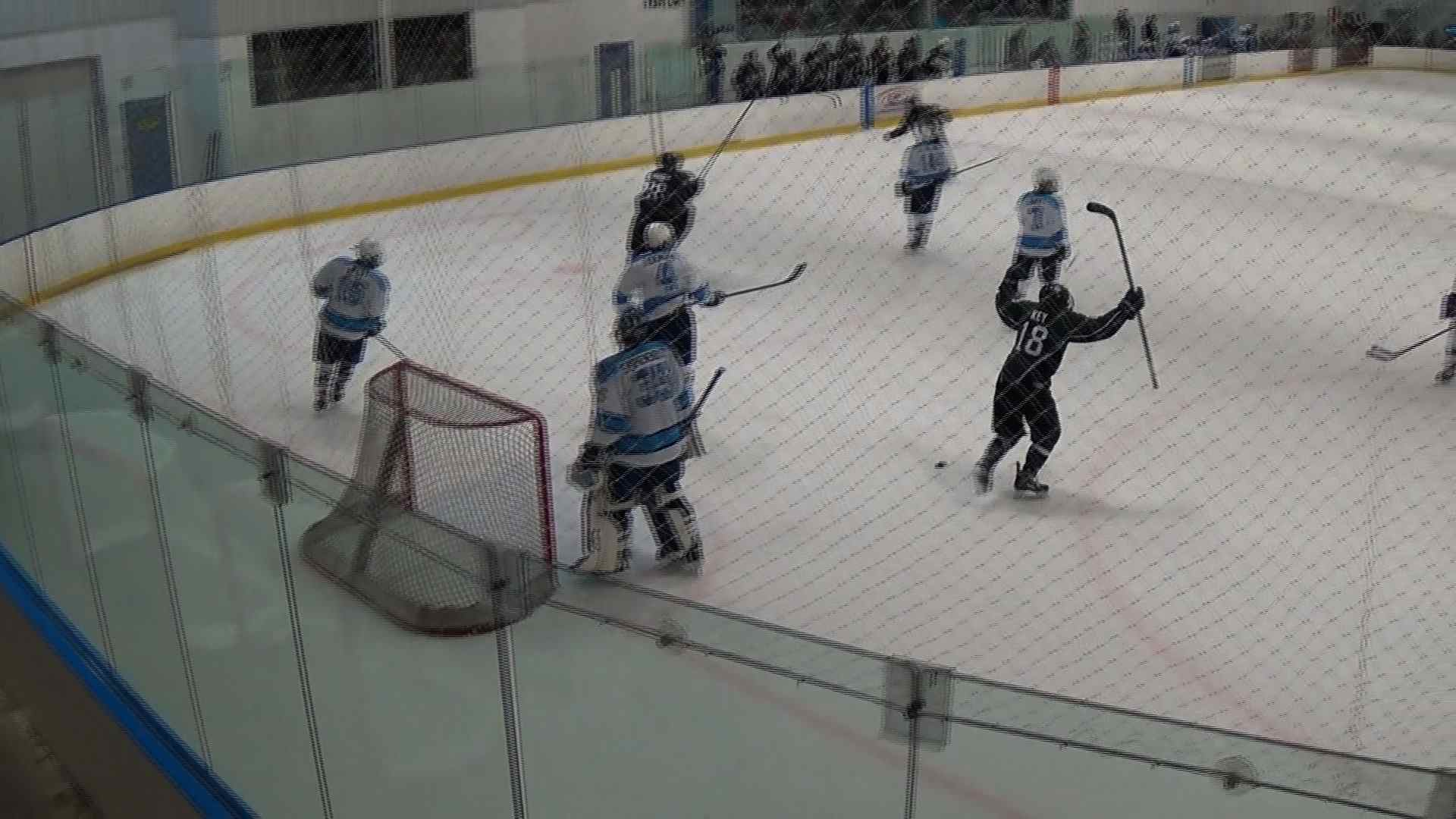
When the Non-Public ice hockey state championship game ended earlier this month, a strange and unfamiliar scene unfolded. No one threw sticks or gloves in the air. Neither student section erupted in celebration. Even though Morristown-Beard and Christian Brothers Academy were declared co-champions, neither team looked particularly happy. Instead, players and coaches expressed confusion, disappointment and even anger that the game had been halted after one scoreless overtime period.
Yes, the possibility of a co-championship was clearly stated in the rules issued by the NJSIAA. But it had been 25 years, a full quarter-century, since the last tie in a hockey state final, and it appeared neither side had even considered this potential outcome. From a practical standpoint, one can understand the reasons for such a rule. The Non-Public final was the middle of three games at the Prudential Center that day; as it was, Morristown and Ramsey started the Public B state final game an hour late. Another question this situation raises is how long should high school kids keep playing? The day before the Non-Public final, the Ohio state hockey championship game went to an unbelievable seven overtimes. And that game still ended in a tie when officials decided they could not ask the players to keep going because of safety concerns. Members of both Morristown-Beard and CBA said they would have even preferred a shootout to a tie. National Federation rules don't mention shootouts, although state associations are free to alter the rules as they choose. But we believe that shootouts are an unfair way to end someone's season, and should be avoided as much as possible. Other states frown upon shootouts, and most use "play until you drop" rules for state finals, if not all playoff games. Sometimes, as in the Ohio game, this leads to insanely long contests. Considering the growing concern about concussions, and the general litigiousness of society, one would think state athletic associations would prefer to avoid such marathons. That's why Jersey Sports Now believes the NJSIAA, and other organizations, should adopt a new playoff tiebreaker format that incorporates four-on-four hockey. The NHL and Olympics already employ 4-on-4, which is exciting and wide-open and a far fairer solution than a shootout. We acknowledge that some coaches dislike the 4-on-4, so we are proposing it only after giving teams a chance to break a tie in regular play. Specifically, our proposal is this: If a tournament game is tied through regulation, have the ice cleaned as is done now. Then have a 10-minute sudden-death period played under regular 5-on-5 conditions. If that fails to break the tie, give the teams a short break, then proceed to a 10-minute 4-on-4 overtime. We believe nearly all ties would be resolved under this system, but if not, a shootout would then be employed in all non-final games. Finals could use the shootout as well, or simply continue playing 4-on-4. Every year in the hockey state tournament, two or three games are resolved by the shootout, with several more games in conference tournaments also ending in this way. With our proposal in place, we believe those games would instead end in a way that is much more like real hockey. |